Hello everyone!
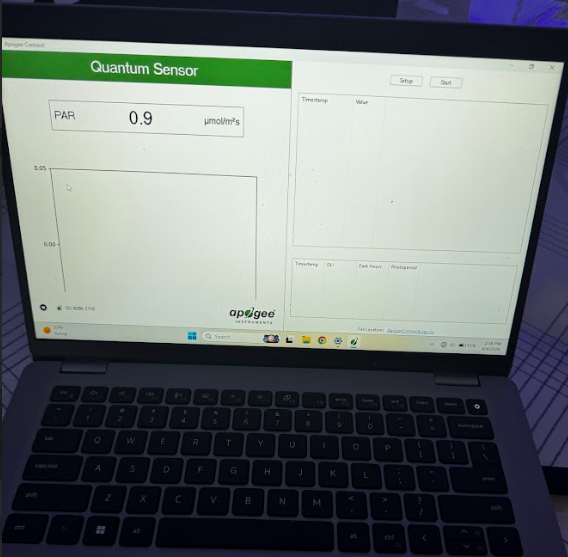
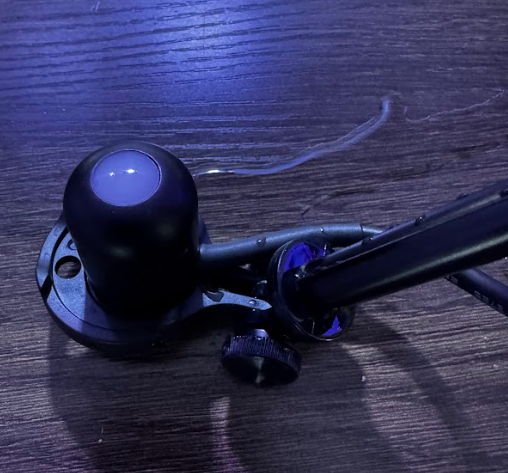
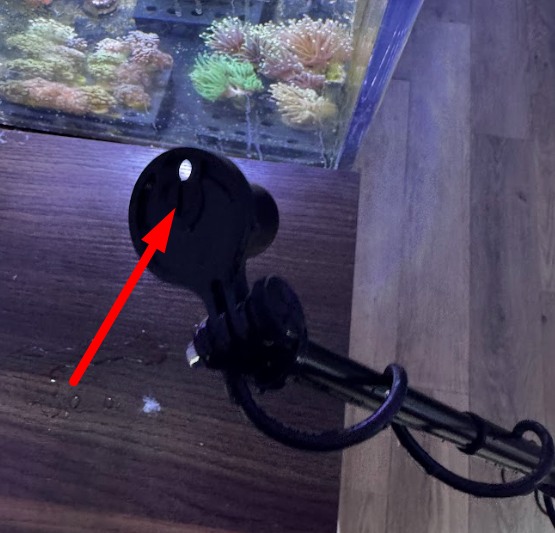
I wanted to make a quick review on the USB Smart Quantum SQ-420X PAR Sensor by Apogee.
I had been reading online through a lot of forums, and even ChatGPT, about this product for a while. The main reason I wanted a PAR meter was because I had a feeling my lighting system was not really dialed in. In my head, I actually thought my lights were stronger than they really were.
So when I found this exact PAR meter on Facebook for $160 brand new, I took the chance and bought it.
When I went to pick it up, the seller was cool and I liked hearing his opinion on it. Funny side note, he was really trying to get me to come check out his tank. Normally I get a little sketched out going into random Facebook Marketplace houses, but as a reefer, I get it. We all like showing off our tanks. So I went in, checked it out, and honestly it was a very nice setup. He clearly had money into the hobby because he had a maxed-out Red Sea system that looked to be easily over 300 gallons.
Anyways, he told me that this PAR meter tends to read about 20–30 PAR higher than what you’re probably actually getting. So for example, if it says 120 PAR, you’re probably really more in the 80–90 PAR range.
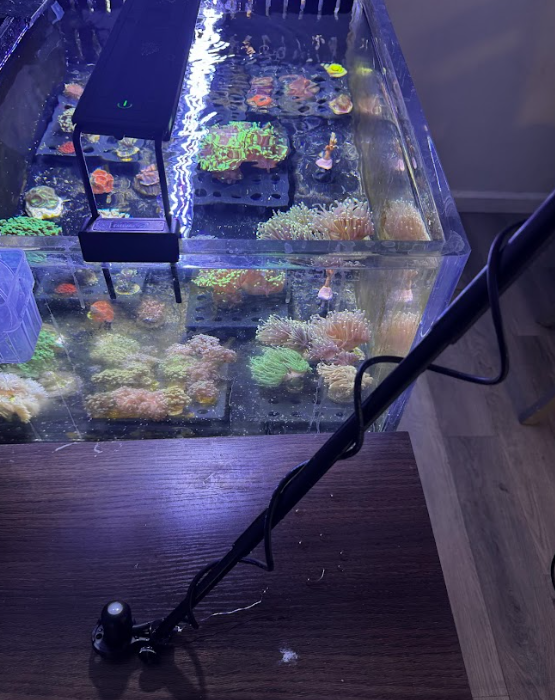
When I got home and tested it on my own tank, I was honestly shocked. I found out my Fluval bar light was extremely under-lighting my corals. On the bottom of my tank, I was only getting around 60 PAR.
After that, I made a lot of adjustments with coral placement and lighting settings, and now I have the bottom of my tank reading around 130 PAR, with the expectation that the true range is probably more like 90–110 PAR.
So with that being said, I would say this device is not truly accurate, but it is still a great tool for getting in the ballpark. If you want super precise readings, you’re probably going to have to spend $500–$600 on a nicer PAR meter.
That said, I’m honestly glad I went with this cheaper option. In my head I was close to spending a lot more money on a higher-end PAR meter, but for reefing, I feel like being in the ballpark is what really matters most.
After making the lighting adjustments, my corals immediately seemed to like the change, and that alone made this thing a 10/10 for me. I’m really glad I picked up a PAR meter.
I still need to make a few small adjustments for my goniopora placement, but overall I’m happy with it.
If anybody else has used this PAR meter, I’d be interested to hear your experience with it too.